





Why do dogs eat grass? It’s one of the most common questions dog owners ask, especially when they catch their furry friend happily munching away during a walk. While it may seem strange, grass eating is actually a relatively common behaviour in dogs.
In most cases, there’s no need to panic. However, understanding why do dogs eat grass can help you determine whether it’s simply a quirky habit or a sign that something else may be going on.
Let’s explore some of the most common reasons dogs eat grass and when you should seek veterinary advice.
1. They’re Simply Curious
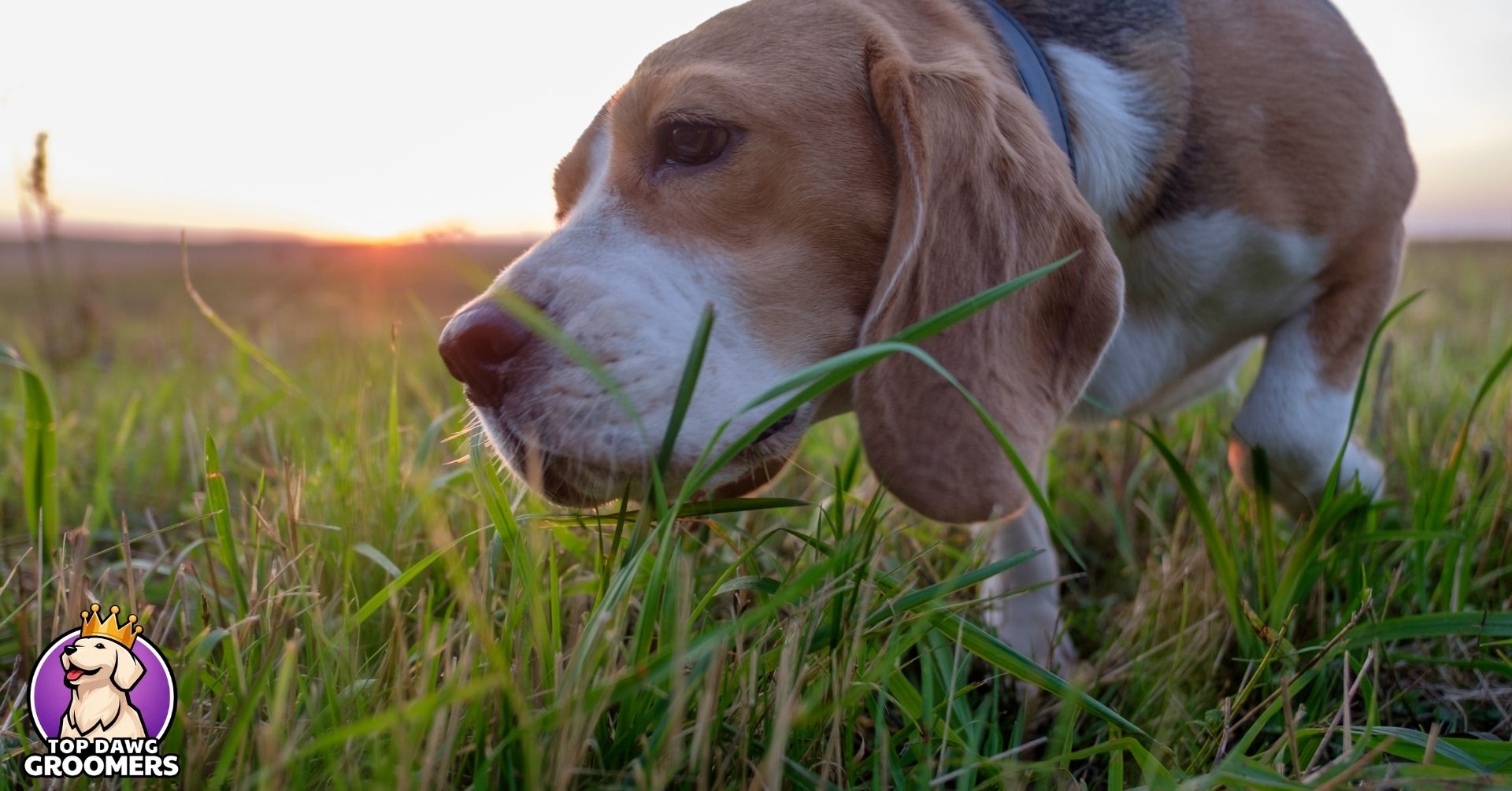
Dogs explore the world using their noses, and sometimes their mouths.
Just as puppies investigate sticks, leaves, and toys, many dogs are naturally curious about grass. They may simply enjoy the texture, smell, or taste.
If your dog occasionally nibbles on grass but is otherwise healthy and happy, curiosity is likely the reason.
2. They Enjoy the Taste
Believe it or not, some dogs genuinely enjoy eating grass.
Fresh, young grass can have a slightly sweet flavour, making it appealing to some dogs.
Just like humans have food preferences, dogs do too.
3. They’re Bored
A bored dog will often find creative ways to entertain themselves.
If your dog spends long periods alone or doesn’t receive enough physical or mental stimulation, eating grass may become another way to pass the time.
Try increasing:
- Daily walks
- Puzzle toys
- Training sessions
- Interactive games
- Sniff walks
Providing enrichment can often reduce unwanted behaviours.
4. They May Have an Upset Stomach
One of the biggest myths is that dogs only eat grass when they’re sick.
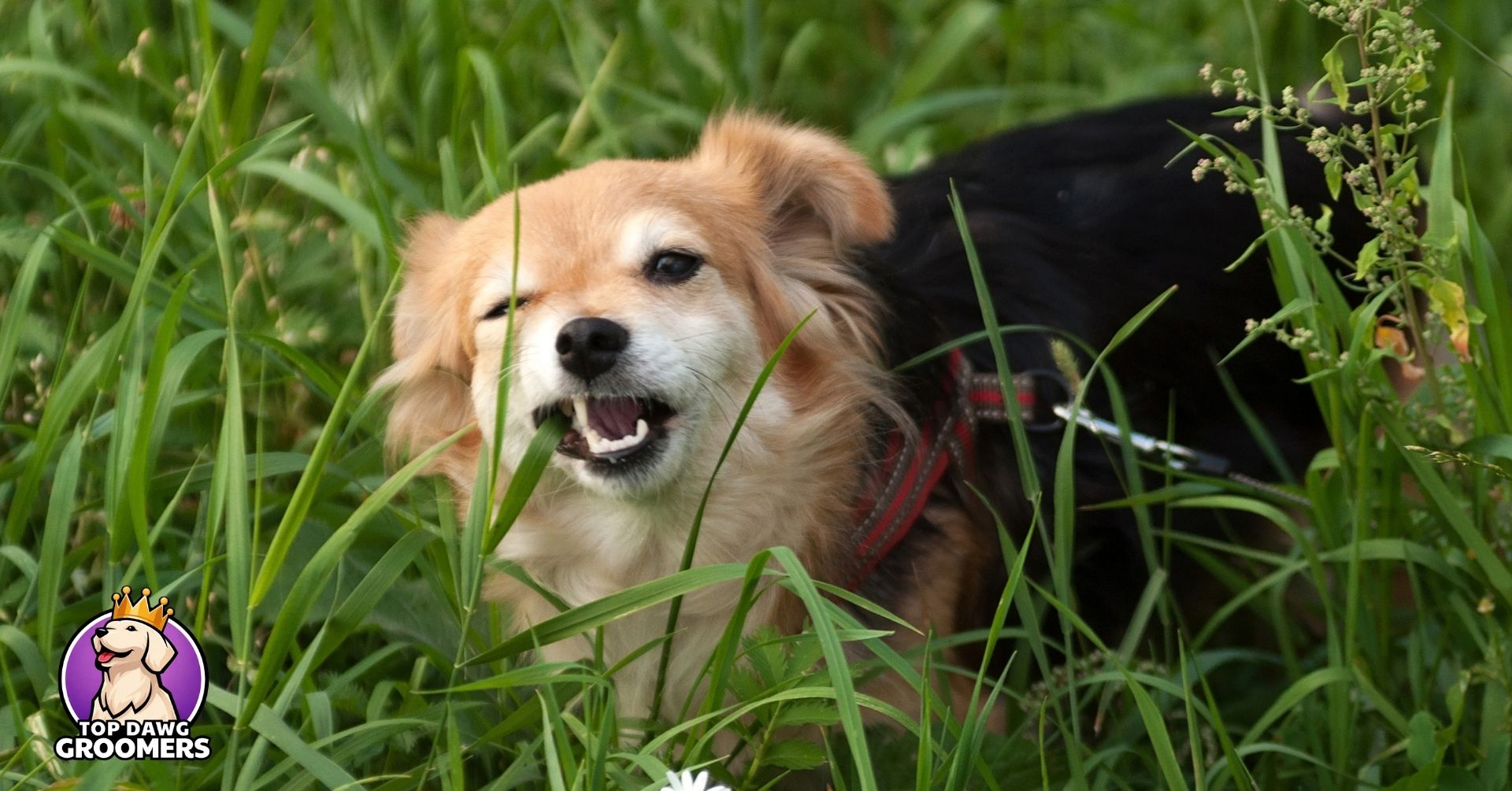
While some dogs do vomit after eating grass, studies suggest that most dogs don’t eat grass specifically to make themselves sick.
However, if your dog appears nauseous before eating grass or frequently vomits afterwards, it’s worth discussing with your veterinarian.
The RSPCA Australia provides helpful advice on keeping your dog healthy:
https://www.rspca.org.au
5. They’re Seeking Extra Fibre
Some experts believe dogs may occasionally eat grass to increase fibre in their diet.
Fibre supports healthy digestion and bowel movements.
If your dog’s diet is well balanced, this usually isn’t necessary, but it’s worth discussing with your vet if grass eating becomes frequent.
6. It’s a Natural Behaviour
Wild canines have been observed consuming plant material for thousands of years.
Although today’s domestic dogs are very different from their ancestors, some natural foraging instincts remain.
This is another reason why do dogs eat grass doesn’t always indicate a problem.
7. They Like the Environment
Sometimes it’s less about the grass and more about the experience.
Dogs love sniffing, exploring, and interacting with their surroundings.
Eating a few blades of grass during a walk may simply be part of their normal exploration.
8. There Could Be an Underlying Health Issue
Although grass eating is usually harmless, sudden or excessive grass consumption may occasionally indicate:
- Digestive problems
- Nutritional deficiencies
- Gastrointestinal irritation
- Parasites
If your dog’s behaviour changes dramatically or they’re showing other symptoms, it’s important to seek veterinary advice.
The Australian Veterinary Association provides trusted pet health information:
https://www.ava.com.au
Is Eating Grass Dangerous?
In most cases, no.
The biggest concern isn’t the grass itself; it’s what may have been sprayed on it.
Avoid allowing your dog to eat grass that may have been treated with:
- Herbicides
- Pesticides
- Fertilisers
- Weed killers
Also be mindful of parks or public spaces where chemicals may have recently been applied.
When Should You Worry?
While occasional grass eating is considered normal, contact your veterinarian if your dog:
- Vomits repeatedly
- Eats large amounts of grass every day
- Has diarrhoea
- Stops eating regular food
- Appears lethargic
- Has blood in their vomit or stool
- Seems to be in pain
These signs could indicate an underlying medical issue requiring professional attention.

How Grooming Can Help
You might be wondering what grooming has to do with grass eating.
Dogs that spend lots of time outdoors can collect seeds, burrs, dirt, and debris in their coat after rolling or grazing on grass.
Regular grooming helps:
- Remove dirt and allergens
- Prevent matting
- Keep skin healthy
- Check for grass seeds hidden in paws, ears, and coats
At Top Dawg Grooming, we always take the opportunity to check your dog’s coat for anything unusual while helping them look and feel their best.
You can also explore more pet care tips and advice through KompleteCare:
https://kompletecare.com.au
So, why do dogs eat grass?
For most dogs, it’s simply a normal behaviour driven by curiosity, taste, boredom, or natural instincts. Occasional grass eating is generally nothing to worry about, provided your dog is otherwise healthy and the grass hasn’t been treated with harmful chemicals.
As a dog owner, the best approach is to observe your dog’s habits and watch for any changes in behaviour or health. If you’re ever unsure, your veterinarian is always the best source of advice.
By providing a balanced diet, regular exercise, mental enrichment, and routine grooming, you’ll help keep your dog happy, healthy, and thriving; whether they’re chasing balls, rolling in the grass, or occasionally having a nibble!