





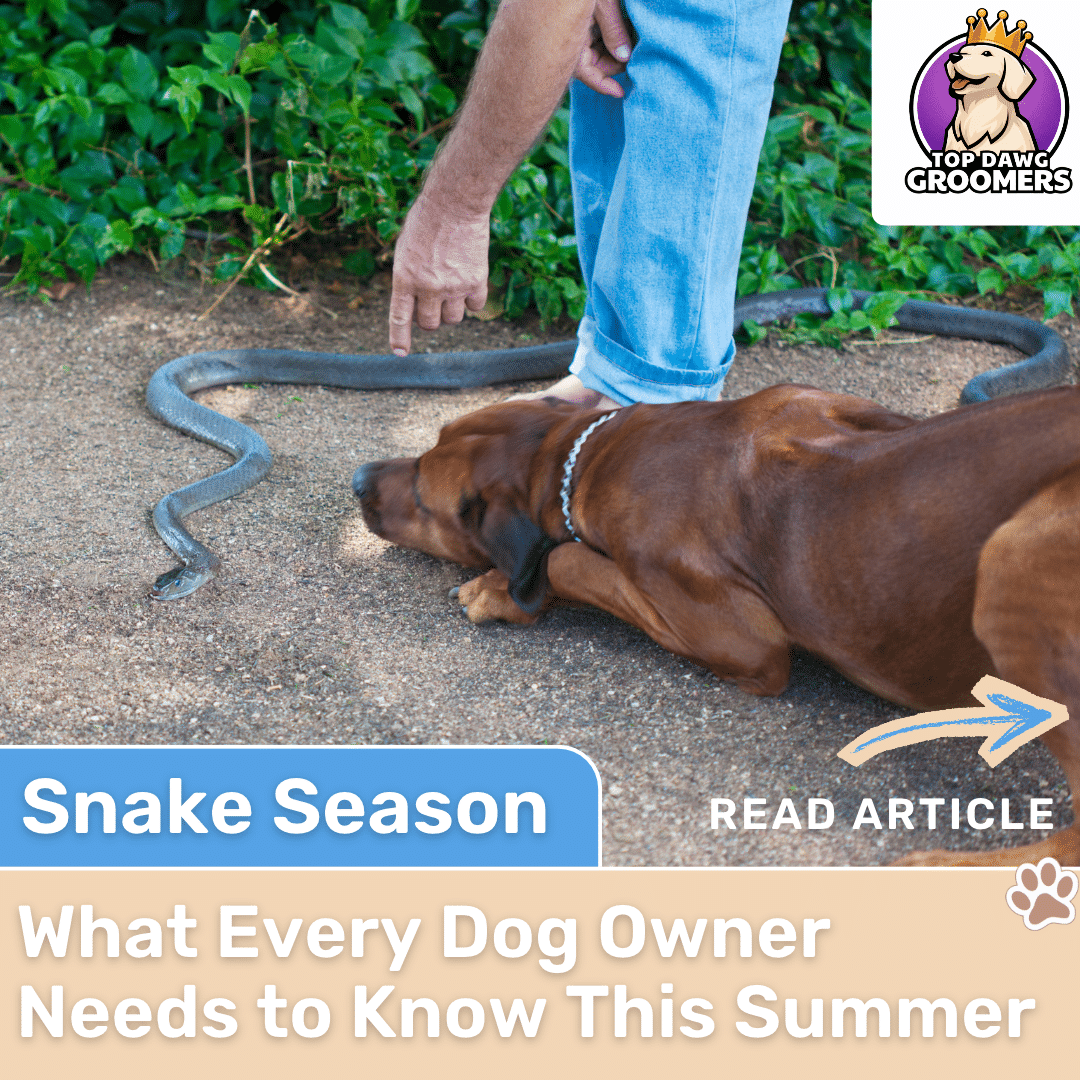
Summer in Australia means longer days, warmer weather, backyard adventures and plenty of opportunities to enjoy the outdoors with your four-legged friend. However, as temperatures rise, so does the activity of one of Australia’s most dangerous reptiles: snakes!
Snake season is something every Australian pet owner should be aware of, particularly in South Australia, where venomous snakes can be found in suburban backyards, parks, walking trails and bushland.
While encountering a snake can be frightening, understanding the risks and taking a few simple precautions can make a big difference in keeping your furry friend safe.
Here’s everything you need to know about protecting your dog this snake season.
When Is Snake Season in Australia?
Snake season in Australia generally begins in spring and continues throughout the warmer months, with snakes becoming increasingly active as temperatures rise.
In South Australia, this means dog owners should be particularly vigilant from around September through to April, although snakes can be active outside these months whenever conditions are suitable.
Snakes are cold-blooded reptiles, meaning they rely on external temperatures to regulate their body heat. During warmer weather, they’re more likely to emerge in search of food, water, shelter and potential mates.
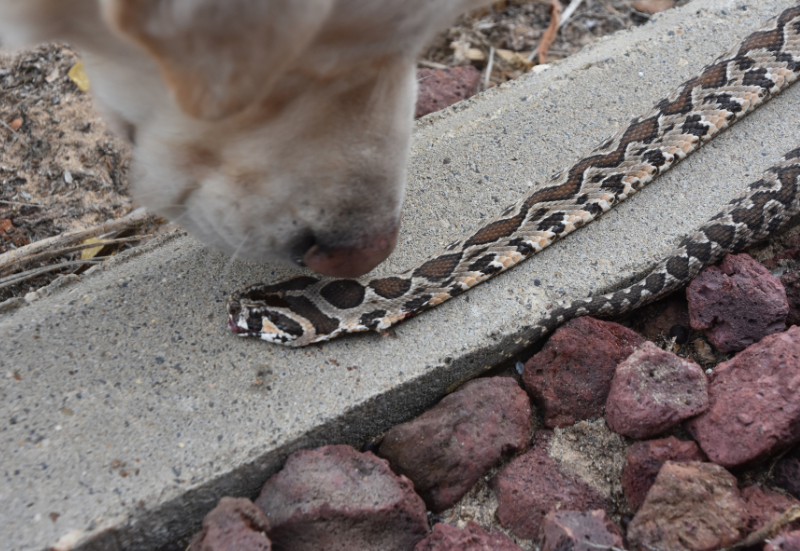
While snakes generally avoid humans and larger animals, encounters can happen when curious dogs investigate unfamiliar movements, smells, or hiding spots.
Unfortunately, a dog’s natural curiosity can sometimes put them directly in harm’s way, especially during snake season.
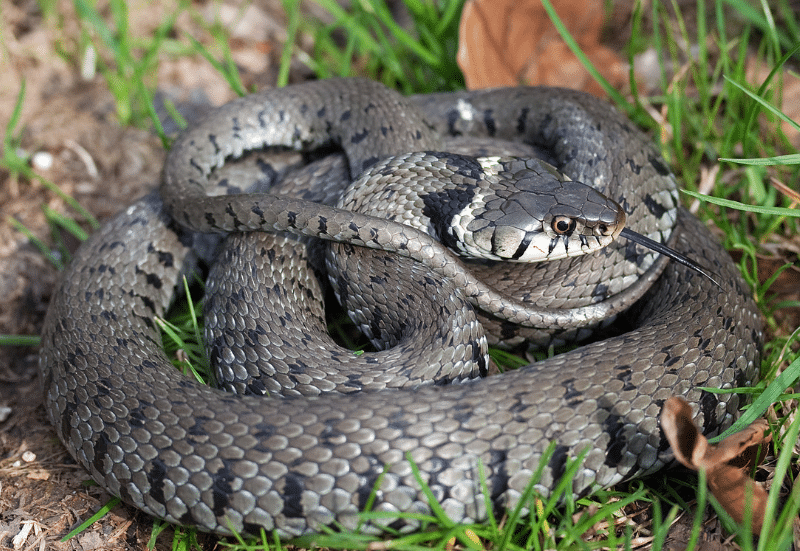
Common Snakes to Watch Out for in South Australia
South Australia is home to several venomous snake species, including some that can pose a serious threat to dogs.
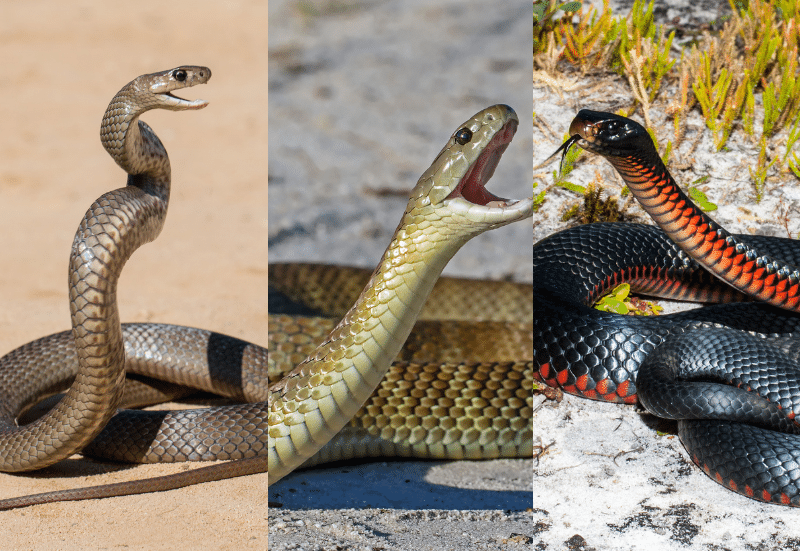
Three species worth being particularly aware of include:
The Eastern Brown Snake
One of Australia’s most venomous snakes, the eastern brown snake is commonly found throughout South Australia, including suburban areas, farmland and bushland.
These snakes can move quickly and may bite when threatened or cornered.
The Tiger Snake
Tiger snakes are often found around wetlands, waterways, coastal areas and environments with dense vegetation.
They can vary considerably in colour and appearance, making identification difficult.
The Red-Bellied Black Snake
Recognisable by its dark upper body and reddish underside, the red-bellied black snake is commonly found near water, although its distribution varies across Australia.
Never approach, catch, or identify a snake up close. Treat any snake encounter seriously and keep your dog at a safe distance.
How to Recognise a Snake Bite in Dogs
One of the most frightening aspects of snake bites is that they aren’t always immediately obvious.
Unlike some injuries, snake bites may leave little or no visible wound, particularly beneath a dog’s fur.
Knowing the warning signs could save your dog’s life.
Common symptoms of a snake bite include sudden weakness, vomiting, unusual shaking or involuntary movements, difficulty breathing (including rapid, laboured, or irregular breathing), unusual salivation, and loss of coordination. Severe snake bites can affect your dog’s ability to move and cause paralysis.
One particularly dangerous aspect of some snake bites is that a dog may initially collapse before appearing to recover.
This temporary improvement does not mean your dog is safe. Symptoms can return or worsen as the venom takes effect.
If you suspect your dog has encountered or been bitten by a snake, seek emergency veterinary treatment immediately, even if they appear completely normal. Stay alert, even outside of snake season.
What to Do If Your Dog Is Bitten by a Snake
A snake bite is a veterinary emergency, and acting quickly can significantly improve your dog’s chances of survival.
If you believe your dog has been bitten, follow these steps:
Keep your dog calm and still. Movement can encourage venom to spread throughout the body. Keep your dog as calm and still as possible. If you can safely do so, carry them rather than allowing them to walk.
Contact an emergency veterinarian. Call your nearest veterinary clinic or emergency animal hospital immediately. Let them know you suspect a snake bite so they can prepare for your arrival and provide specific advice.
Transport your dog immediately. Do not wait for symptoms to appear. Even if your dog seems perfectly fine, prompt veterinary assessment is essential.
Avoid common first aid mistakes. Never attempt to suck venom from the wound, cut or wash the bite area, apply a tourniquet, catch or kill the snake or give your dog medication without veterinary advice.
If you know the bite location, a correctly applied pressure bandage may help in some circumstances, but this should never delay transport to the vet. And most importantly, always follow veterinary instructions.
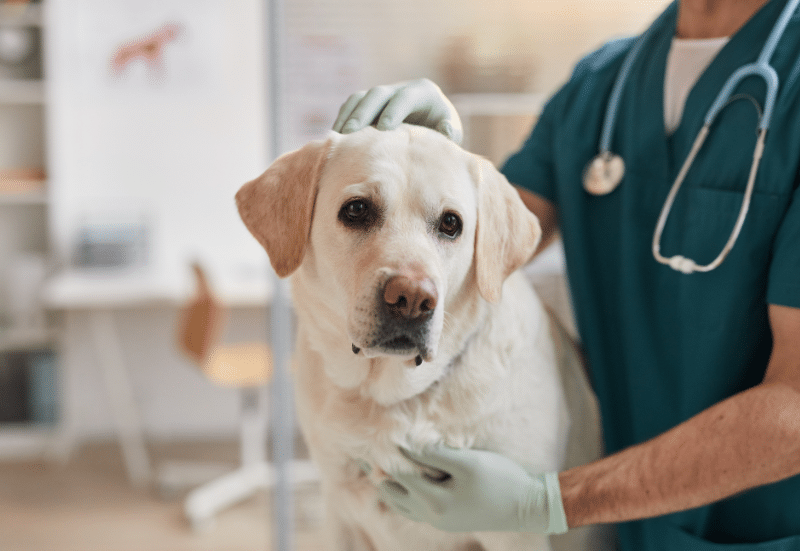
Your vet may administer antivenom and provide additional supportive treatment depending on your dog’s condition.
Ways to Keep Your Dog Safe During Snake Season
While it’s impossible to eliminate every risk, there are plenty of practical ways to reduce the likelihood of your dog encountering a snake during snake season.
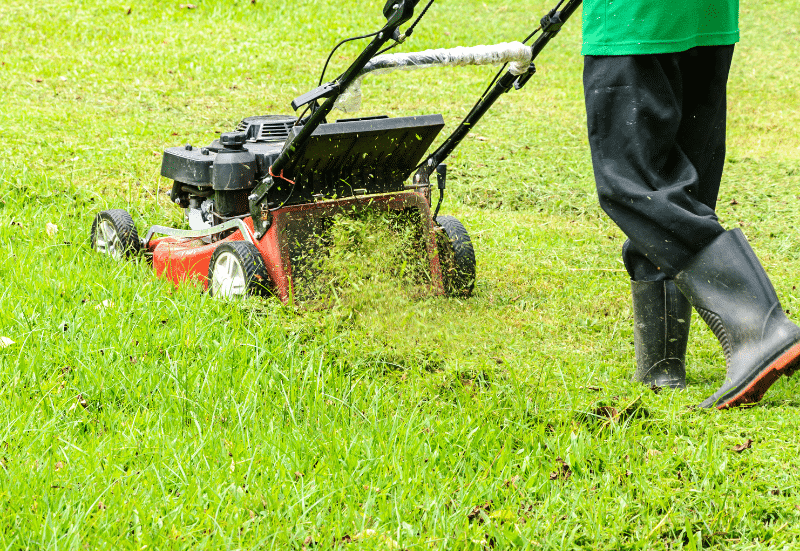
Keep your backyard tidy: Snakes are attracted to areas that provide shelter, including long grass, garden debris, stacked timber and overgrown vegetation.
Regularly mow your lawn, remove unnecessary clutter and maintain garden beds.
Avoid walking through long grass: When walking your dog, stick to established pathways and don’t let them explore dense vegetation. This is especially important around bushland, creeks and areas with limited visibility.
Keep your dog on a lead: Keeping your dog on a lead gives you greater control if you encounter a snake during snake season. Even well-trained dogs can become distracted by sudden movements or unfamiliar animals.
Supervise outdoor adventures: If your property backs onto bushland or natural vegetation, consider supervising your dog’s outdoor activities, particularly during warmer months. Be mindful that snakes can enter suburban yards, too.
Remove potential food sources: Rodents can attract snakes to your property. Store pet food securely, clean up spills, and take steps to discourage mice and rats from entering your backyard.
Consider snake avoidance training: Specialised snake avoidance training may help teach dogs to recognise and move away from potential threats. While training cannot guarantee protection, well-designed, humane training may add another layer of safety during snake season.
Keep Your Dog Looking and Feeling Their Best With TopDawg Grooming!
At TopDawg Grooming, we know your dog is more than just a pet; they’re part of the family!
Our professional mobile dog grooming services help keep your furry friend’s coat clean, healthy and manageable throughout the warmer months.
Whether your dog needs a refreshing bath, a thorough brush or a complete grooming session, our team can help them look and feel their best.
And the best part? We come to you!
With our convenient mobile grooming service, there’s no need to organise a trip to the salon. Your dog can enjoy professional grooming right at your doorstep.
While grooming is just one part of maintaining your dog’s overall wellbeing, it’s a great addition to your summer pet care routine.
Enjoy Summer Safely With Your Four-Legged Friend
Snake season doesn’t mean you need to avoid enjoying the outdoors together.
By keeping your backyard maintained, choosing safer walking routes, supervising outdoor activities and recognising the warning signs of snake bites, you can help reduce the risks.
Remember, if you ever suspect your dog has been bitten by a snake, seek emergency veterinary care immediately. Every minute matters.
And when it comes to keeping your furry friend fresh, comfortable and looking their best this summer, TopDawg Grooming is here to lend a helping paw!
Book your dog’s next mobile grooming appointment with TopDawg Grooming and get them summer-ready!