




To Shave or Not to Shave Your Dog
When the weather warms up and you suddenly find dog hair on the couch, carpet, clothes, and just about everywhere else, it’s tempting to think there is one simple solution: shave it all off.
But when it comes to defurring your dog, shaving isn’t always the answer. In fact, depending on your dog’s breed and coat type, shaving could interfere with your dog’s coat’s natural function.
Understanding the difference between shaving, clipping, and professional deshedding can help you choose the best option for your four-legged friend.
At TopDawg Grooming, we help dogs feel comfortable, healthy, and fresh while giving their individual coat the care it needs. So before you reach for the clippers, here’s what every dog owner should know.
Defurring Your Dog: What Does It Actually Mean?
Despite how it sounds, defurring your dog doesn’t mean removing all of their fur.
Defurring, often called deshedding, is the process of removing loose, dead, and excess hair from your dog’s coat. This can involve brushing, bathing, specialised grooming tools and professional drying techniques that help release trapped undercoat.
It’s particularly useful for dogs that shed heavily or have thick double coats.
Regular defurring can reduce loose hair around your home, remove dead undercoat, prevent knots and matting, let air move through the coat more effectively, keep the skin and coat clean and healthy, and make your dog more comfortable during heavy shedding periods.
The aim isn’t to remove the coat your dog needs. It’s to remove the loose coat they no longer need.
Should You Shave Your Dog?
This depends heavily on your dog’s coat type.
Some dogs have coats that can be professionally clipped and styled as part of their normal grooming routine. Other dogs, particularly those with double coats, generally shouldn’t be shaved simply to reduce shedding or keep them cool.
A double coat has two layers: a soft, dense undercoat and a tougher outer layer of guard hairs. Together, these layers protect the dog’s skin and provide insulation.
Common double-coated breeds include: Golden Retrievers, Labradors, Border Collies, German Shepherds, Siberian Huskies, Australian Shepherds and Pomeranians.
For these dogs, shaving removes both layers of the coat, not just the loose undercoat.
That means professional defurring is usually a better option than shaving when the goal is simply to manage shedding.
Why Shaving a Double-Coated Dog Can Cause Problems
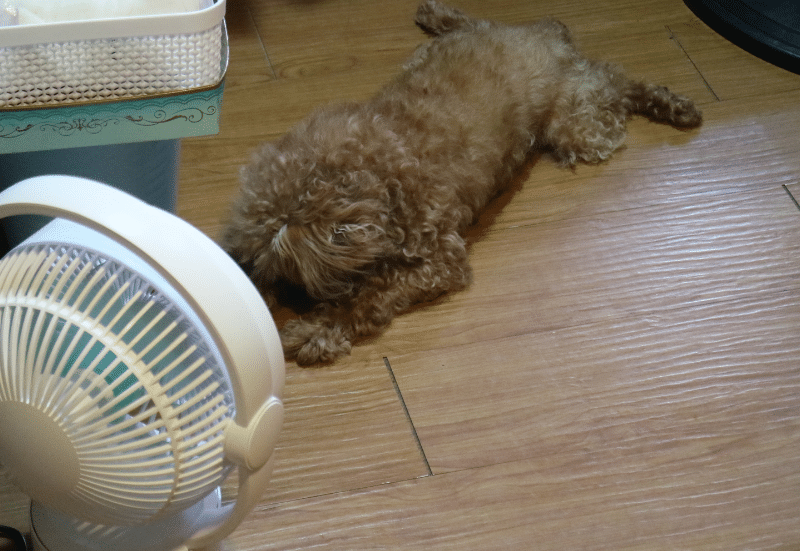
One of the biggest misconceptions about dog grooming is that removing a thick coat automatically cools a dog.
Dogs don’t regulate their body temperature in the same way humans do. A healthy double coat provides insulation and protection, while dogs primarily cool themselves through mechanisms such as panting.
The outer coat also helps protect the skin from direct sunlight, insects and the environment.
When you shave a double coat, the undercoat and protective guard hairs may grow back at different rates. This can sometimes change the texture, appearance, or function of the coat.
Rather than shaving to manage summer shedding, regular brushing and professional deshedding are generally the better approach for a healthy double-coated dog.
But Aren’t There Times When a Dog Does Need to Be Shaved?
Absolutely.
Shaving isn’t inherently bad. In some circumstances, clipping or shaving may be the safest or most practical choice.
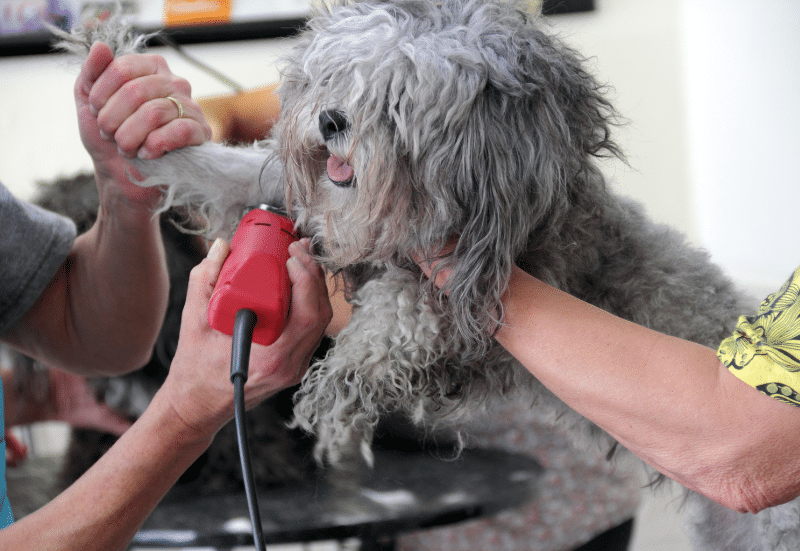
A severely matted coat is one example. When mats become extremely tight and close to the skin, brushing them out can be uncomfortable or painful for the dog. In some cases, carefully clipping the coat may be kinder than hours of de-matting.
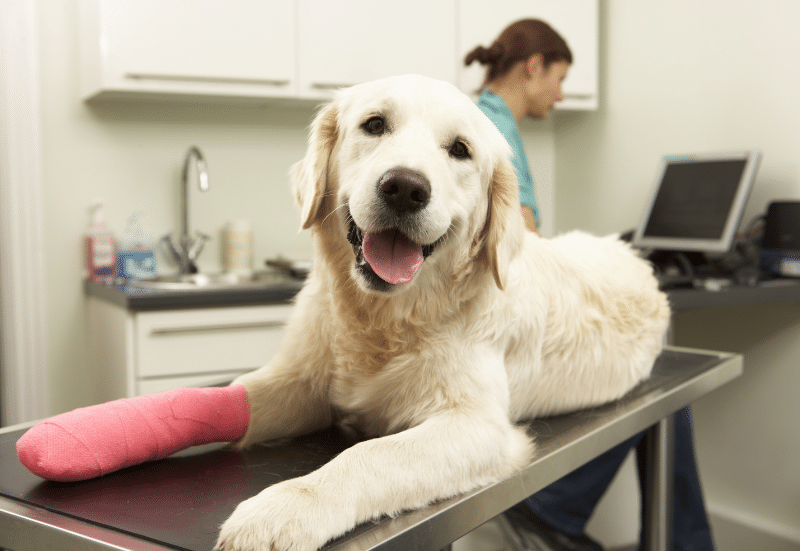
Dogs may also need areas shaved for veterinary procedures or medical reasons.
Meanwhile, many single-coated breeds have coats that are routinely clipped as part of their normal grooming schedule.
The key is to base grooming on the individual dog, their coat, and its condition, rather than assuming every fluffy dog needs a summer shave.
What Does Professional Defurring Involve?
If your dog leaves a furry outline behind every time they get off the couch, a professional deshedding appointment may be exactly what they need.
Defurring your dog can involve several different steps depending on their coat.
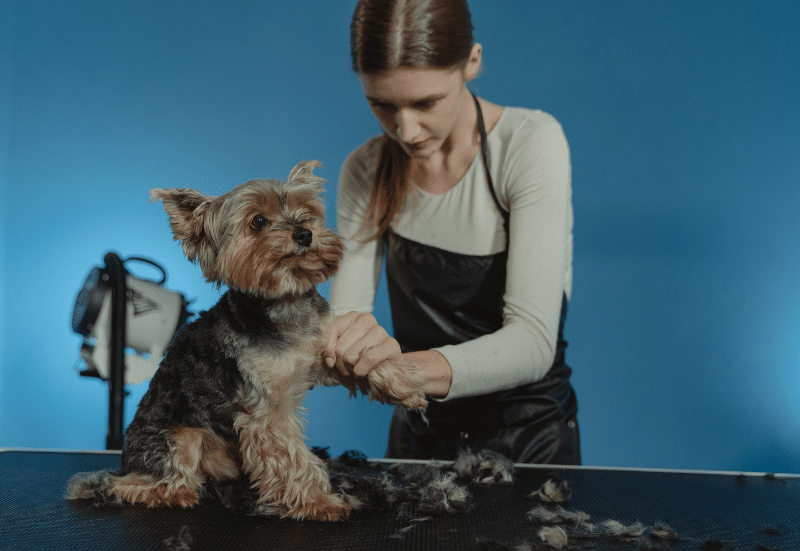
A professional groom may include a thorough brush-out to loosen dead hair, bathing with suitable dog grooming products, drying techniques that lift loose undercoat, and further brushing with tools suited to your dog’s coat.
Professional groomers can work through far more coat than most owners can comfortably remove with a quick brush at home.
The result? A lighter, cleaner and more manageable coat, without unnecessarily removing the healthy fur your dog still needs.
How Often Should You Be Defurring Your Dog?
No single grooming schedule works for every dog. The right frequency depends on your dog’s breed, coat type, lifestyle, and how heavily they shed.
Some dogs shed steadily throughout the year, while others have heavier seasonal shedding periods where they seem to produce enough hair to create an entirely new dog.
Double-coated breeds may benefit from regular brushing at home alongside professional grooming, particularly when they’re dropping their seasonal undercoat.
If you’re noticing large amounts of loose hair, compacted undercoat, or tangles that don’t come out with normal brushing, it may be time to book a professional groom.
Don’t Forget About Matting
Shedding and matting aren’t quite the same thing. Loose undercoat hair can get trapped under the outer coat, and if left there, it can compact, tangle, and eventually form mats.
Mats aren’t just a cosmetic issue. Tight matting can pull on the skin, causing irritation and discomfort.
Regular grooming helps remove loose hair before it can compact.
This is another reason defurring your dog before their coat becomes heavily tangled is much easier than trying to fix the problem afterwards.
Can You Defur Your Dog at Home?
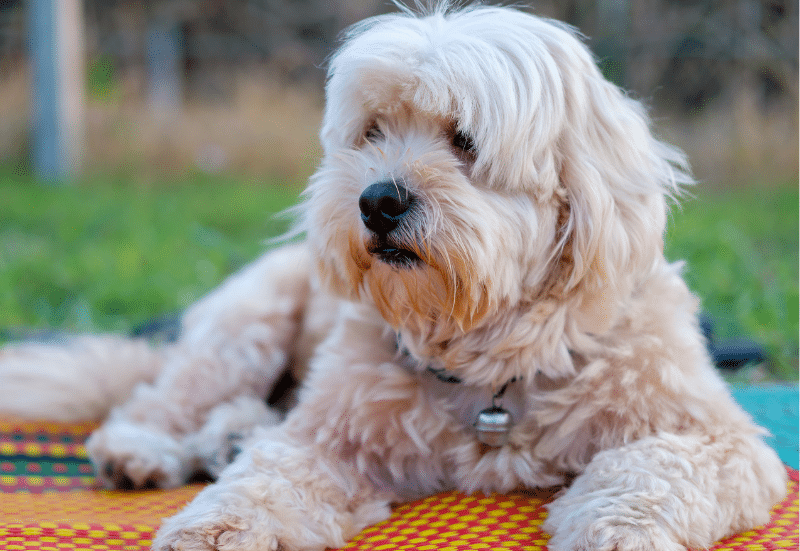
Regular brushing at home is one of the best things you can do between professional grooming appointments.
However, choosing the right grooming tool is important. Slicker brushes, combs, undercoat rakes, and other deshedding tools each serve a different purpose, and the right option depends on your dog’s coat.
Using the wrong tool or being overly aggressive can irritate the skin or pull out healthy hair unnecessarily.
A professional groomer (like TopDawg Grooming) can help you understand your dog’s coat and recommend an appropriate home brushing routine between visits.
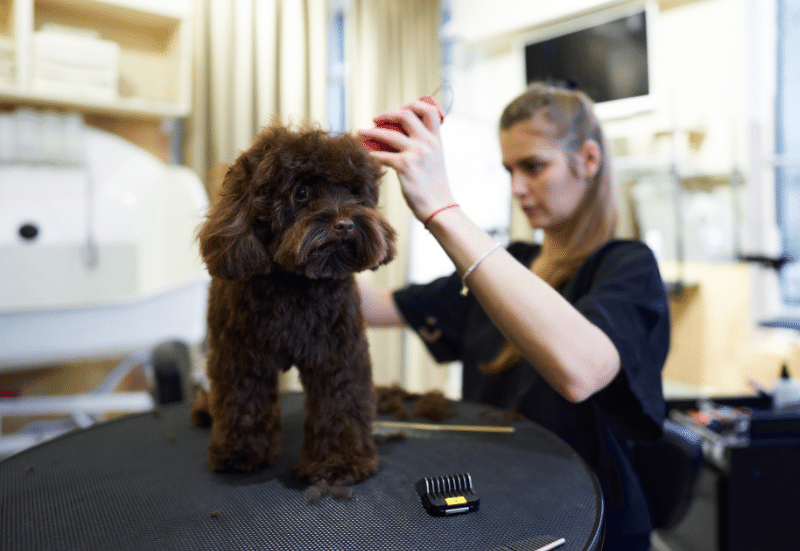
Let TopDawg Take Care of the Fur
When the shedding starts, shaving isn’t necessarily the solution.
Understanding your dog’s coat is the key to keeping them comfortable and looking their best.
At TopDawg Grooming, we can help take the guesswork out of defurring. From professional brushing and deshedding to bathing, clipping, and general coat maintenance, we’ll tailor each grooming session to your dog’s needs.
Because TopDawg Grooming is mobile, we bring professional grooming to you, making it easier to maintain your dog’s coat for both you and your furry family member.
So before you decide it’s time to shave off that fluffy coat, call TopDawg.
Your couch, clothes, vacuum cleaner (and of course your 4-legged friend) might thank you too.