






In-home support for older Australians is becoming an increasingly important part of Australia’s aged care future. As the population ages, more Australians are looking for ways to maintain their independence, stay connected to their communities, and continue living comfortably in their own homes.
Rather than automatically moving into residential aged care when everyday tasks become more difficult, older Australians may receive personalised support in the familiar surroundings of their own homes. From personal care and domestic assistance to meal preparation, transport and nursing support, in-home care can help people maintain their routines, dignity and quality of life as they age.
At KompleteCare, we believe ageing should not mean giving up the comfort of home or the independence that comes with it. With the right support, older Australians can continue doing the things that matter to them.

Why Is In-Home Support Becoming More Important in Australia?
Australia’s ageing population is creating a growing need for flexible, accessible and personalised aged care services.
According to the Australian Institute of Health and Welfare (AIHW), approximately 835,000 Australians aged 65 and over accessed home support services in 2023–24. As of 30 June 2024, more than 272,000 older Australians were receiving home care.
These figures highlight the significant role that support at home already plays in Australia’s aged care system.
As people live longer, demand for services that help older Australians remain independent is expected to grow. Many people want to stay in the homes they know, stay close to family and friends, and keep participating in their local communities as they age.
In-home support for older Australians can help make this possible by assisting with everyday activities, personal care, and household tasks. Rather than taking a one-size-fits-all approach, home care services can be tailored to each person’s circumstances and adjusted as their needs change.
What Is In-Home Support for Older Australians?
In-home support for older Australians, also known as in-home aged care or home care, involves providing assistance to older people in their own homes. The type and frequency of support can vary depending on a person’s needs, goals and circumstances.
Some people may need only occasional help with household tasks, while others benefit from regular assistance with personal care, mobility, or more complex support needs.
Depending on the person’s needs and the services available, in-home support may include:
- Personal care: Help with showering, dressing, grooming, and everyday routines while respecting dignity and choice.
- Domestic assistance: Help with cleaning, laundry, changing bed linen and maintaining a safe, comfortable home environment.
- Meal preparation: Support with preparing nutritious meals that suit individual preferences and dietary requirements.
- Transport and community access: Assistance getting to appointments, visiting friends, shopping or participating in community activities.
- Gardening and home maintenance assistance: Help with keeping outdoor areas neat, manageable and safer to navigate.
- Nursing care: Clinical support delivered by appropriately qualified health professionals where required.
- Respite care: Support that allows family carers to take a break while their loved one continues to receive care.
The goal is not to take over a person’s daily life. It provides the right level of assistance so they can keep living as independently as possible.
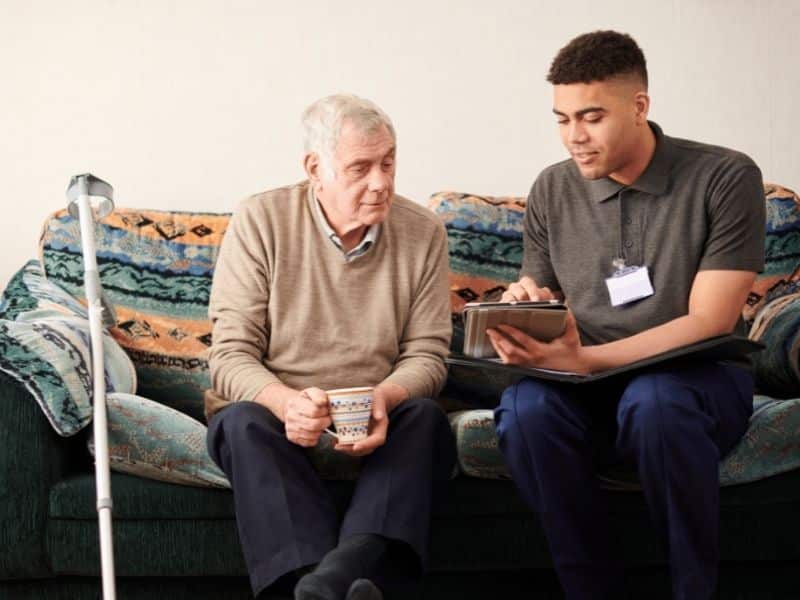
The Benefits of Ageing at Home
For many older Australians, home represents much more than a place to live. It holds memories, familiar routines, personal belongings and a sense of belonging. Remaining at home can help preserve these important connections while making everyday life more manageable.
1. Maintaining Independence and Choice
One key benefit of in-home support for older Australians is the opportunity to maintain greater control over daily life. With the right assistance, older people can continue making decisions about their routines, meals, activities and personal preferences.
Rather than changing their entire lifestyle to fit a care environment, support can be organised around the individual wherever practical.
This person-centred approach recognises that ageing looks different for everyone and that independence means something different to each person.
2. Staying Connected to Family and Community
Social connection plays an important role in wellbeing as people age. Staying at home can make it easier to maintain relationships with family, friends and neighbours, and to keep attending familiar community activities.
Transport assistance and community access can help older Australians get to medical appointments, visit loved ones, enjoy local outings, and stay involved in the activities they value.
With the right support, getting older does not have to mean becoming disconnected from the world around you.
3. Receiving Personalised Care in Familiar Surroundings
Everyone has different needs, preferences and routines. In-home support allows services to be tailored to the individual rather than relying on a one-size-fits-all approach.
For example, one person might need help with cleaning and grocery shopping, while another may need help with personal care, meal preparation, or nursing support.
Receiving help in familiar surroundings can also make daily routines feel more comfortable and less disruptive. As needs change, you can review the type and level of support to determine what is appropriate.
4. Supporting Family Carers
Family members often play a significant role in supporting older loved ones. While caring can be rewarding, it can also bring physical, emotional and practical demands.
Professional in-home support for older Australians can share some of these responsibilities, giving family carers more time to rest, meet their own needs, and spend quality time with their loved ones without every interaction revolving around care tasks.
Respite care and regular assistance can help families establish a more sustainable approach to caring, while ensuring the older person continues to receive appropriate support.
5. Helping Maintain a Safe and Comfortable Home
As people age, tasks that were once straightforward can become more challenging. Cleaning, laundry, meal preparation, and maintaining outdoor areas may require more effort or raise safety concerns.
Domestic assistance and other practical supports can help keep the home clean, organised and manageable. Depending on a person’s circumstances, home modifications or assistive technology may also help reduce barriers to everyday activities.
Support should match the person’s needs, with any risks or changes in circumstances addressed appropriately.

How Technology and Personalised Care Are Shaping the Future of Aged Care
The future of aged care in Australia will involve finding flexible ways to support an ageing population while respecting individual preferences and care needs.
Technology, home modifications and better coordination between service providers may help some older people continue living independently. However, these developments work best when combined with compassionate, person-centred support.
In-home support for older Australians will remain an important part of this changing aged care landscape, helping people access practical assistance and maintain their connection to home and community.
Understanding In-Home Aged Care in Australia
Government-funded aged care arrangements are evolving to respond to the needs of older Australians.
The Australian Government introduced the Support at Home program on 1 November 2025, replacing the previous Home Care Packages Program and Short-Term Restorative Care Programme. The program supports eligible older people to remain living at home, with services based on assessed needs.
Eligibility, funding, contributions and available services depend on the applicable program rules and individual circumstances. Not everyone will qualify for the same services or funding, and some people may choose to access private in-home support.
For information about eligibility, assessments and government-funded aged care options, visit My Aged Care or read the Australian Government’s Support at Home information.
For older Australians who need assistance while waiting for an assessment or funding decision, it may also be worth exploring whether private support is an appropriate option for their circumstances.

Is In-Home Support Right for You or a Loved One?
In-home support for older Australians may be worth considering when everyday activities become more challenging or additional assistance would help someone remain comfortable and independent at home.
Signs that additional support may be helpful include:
- Household cleaning and laundry are becoming difficult to manage.
- Preparing regular, nutritious meals is a challenge.
- Personal care routines require additional assistance.
- Getting to appointments or participating in community activities has become harder.
- Family carers need additional support or time to rest.
- A person would benefit from help to maintain their independence and wellbeing at home.
Seeking support early can help families explore available options and plan for changing needs. The best approach depends on the individual’s preferences, circumstances, safety, and care needs.
In-home support isn’t the right solution for everyone, and some people will need residential aged care or a higher level of clinical support. The important thing is finding an arrangement that best meets the person’s needs and supports their quality of life.
The Future of Ageing Starts at Home
As Australia’s population ages, in-home support will continue to play an important role in helping older people access the assistance they need while maintaining their independence and connection to home.
With personalised in-home support for older Australians, people can receive practical help while keeping the familiarity of home and the routines that matter to them.
At KompleteCare, we understand that quality care is about more than completing everyday tasks. It is about helping people feel comfortable, supported and confident in their own homes.
Looking for in-home support for yourself or a loved one?
Explore KompleteCare’s home care services to learn more about the support available and how we can help you find an option suited to your needs.