


Kids and dogs safety tips are essential for every family, whether you’ve just welcomed a new puppy or your dog has been part of the family for years. Dogs and children can form incredible lifelong bonds, but it’s important to remember that even the gentlest dog has boundaries.
Teaching children how to safely interact with dogs not only helps prevent accidents but also builds trust and respect between your child and your furry family member. By following a few simple rules, you can help create positive experiences for everyone.
Here are ten important kids and dogs safety tips every family should know.
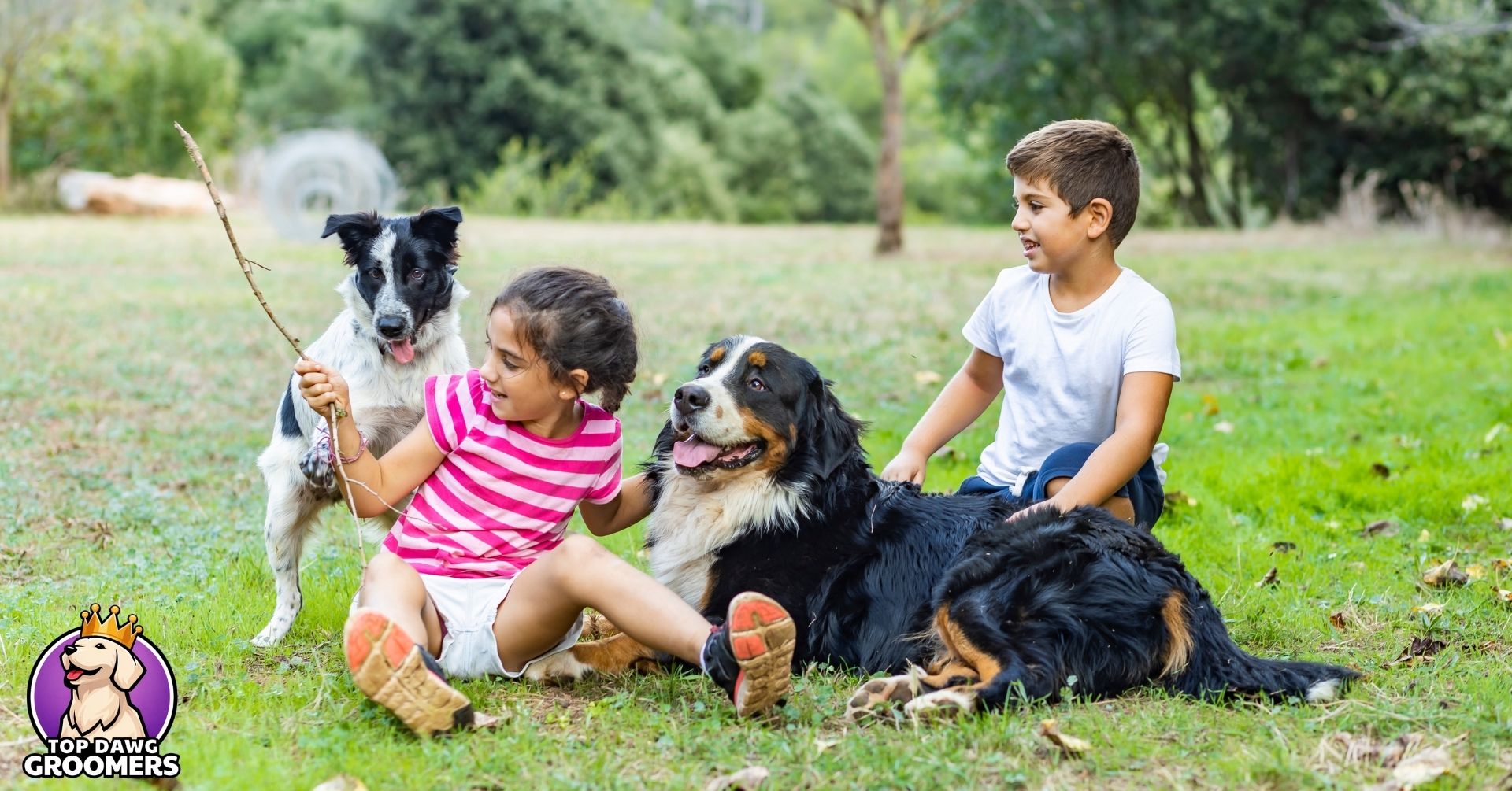
1. Always Supervise Interactions
No matter how well-behaved your dog is, young children should never be left alone with them.
Supervision allows you to:
- Step in if play becomes too rough.
- Watch for signs your dog needs a break.
- Teach appropriate behaviour in the moment.
Even the most patient dog can become overwhelmed if they feel frightened or uncomfortable.
2. Teach Children to Respect a Dog’s Space
Dogs need quiet time just like people do.
Teach children not to disturb a dog when they are:
- Sleeping
- Eating
- Chewing a toy
- Resting in their bed or crate
- Caring for puppies
Giving dogs space helps them feel secure and reduces the risk of defensive behaviour.
3. Learn Your Dog’s Body Language
One of the most valuable kids and dogs safety tips is learning to recognise when a dog is feeling stressed.
Watch for:
- Tail tucked
- Lip licking
- Yawning when not tired
- Turning their head away
- Growling
- Whale eye (showing the whites of their eyes)
These are signs your dog may need space.
The RSPCA Australia has excellent information about understanding dog behaviour:
https://www.rspca.org.au
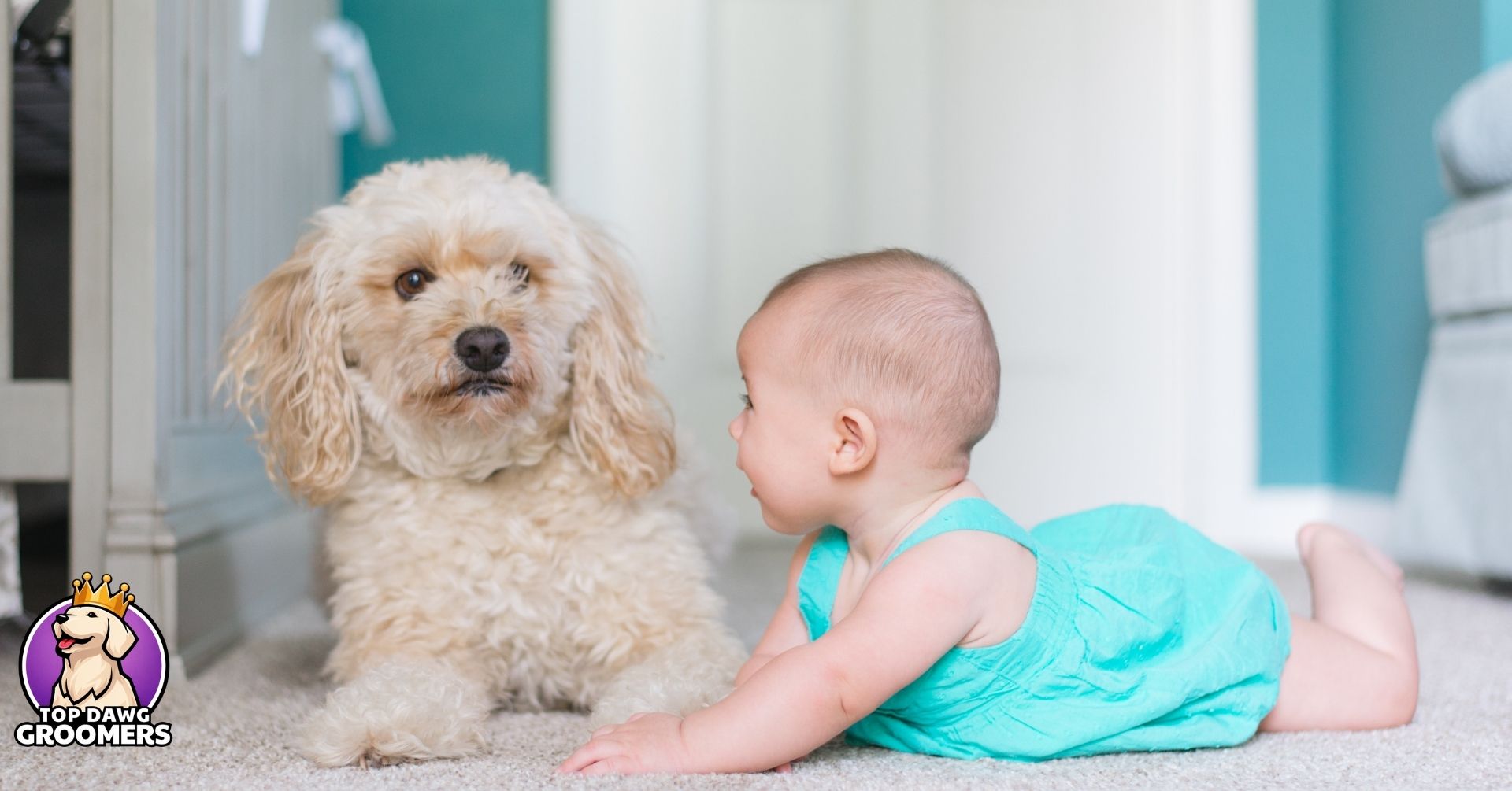
4. Teach Gentle Touching
Children often don’t realise that pulling ears or hugging tightly can make a dog uncomfortable.
Encourage children to:
- Pat gently on the shoulder or chest.
- Avoid pulling tails or ears.
- Use calm voices.
- Let the dog come to them.
Positive interactions help build trust between children and dogs.
5. Don’t Encourage Rough Play
Games that involve chasing, wrestling or teasing can quickly become too exciting.
Instead, encourage:
- Fetch
- Hide and seek
- Basic training games
- Gentle tug games (with supervision)
These activities are fun while promoting safe interactions.
6. Let Dogs Walk Away
Sometimes dogs simply need a break.
Teach children that if a dog walks away, hides, or goes to their bed, they should be left alone.
Respecting these signals is one of the most important kids and dogs safety tips because it teaches children that dogs have feelings too.
7. Involve Kids in Dog Care
Children often build stronger relationships with dogs when they help care for them.
Age-appropriate tasks include:
- Filling the water bowl
- Helping brush the coat
- Choosing toys
- Assisting with training using treats
These activities teach responsibility while strengthening the bond.
8. Help Dogs Feel Comfortable With Grooming
Regular grooming isn’t just about keeping your dog looking good; it also helps dogs become comfortable being handled.
At Top Dawg Grooming, we take a calm and gentle approach to grooming, helping dogs enjoy positive experiences while keeping their coats healthy.
Regular grooming also allows early detection of:
- Lumps
- Skin irritation
- Grass seeds
- Ticks
- Matting
For more pet care advice and family wellbeing resources, visit:
https://kompletecare.com.au
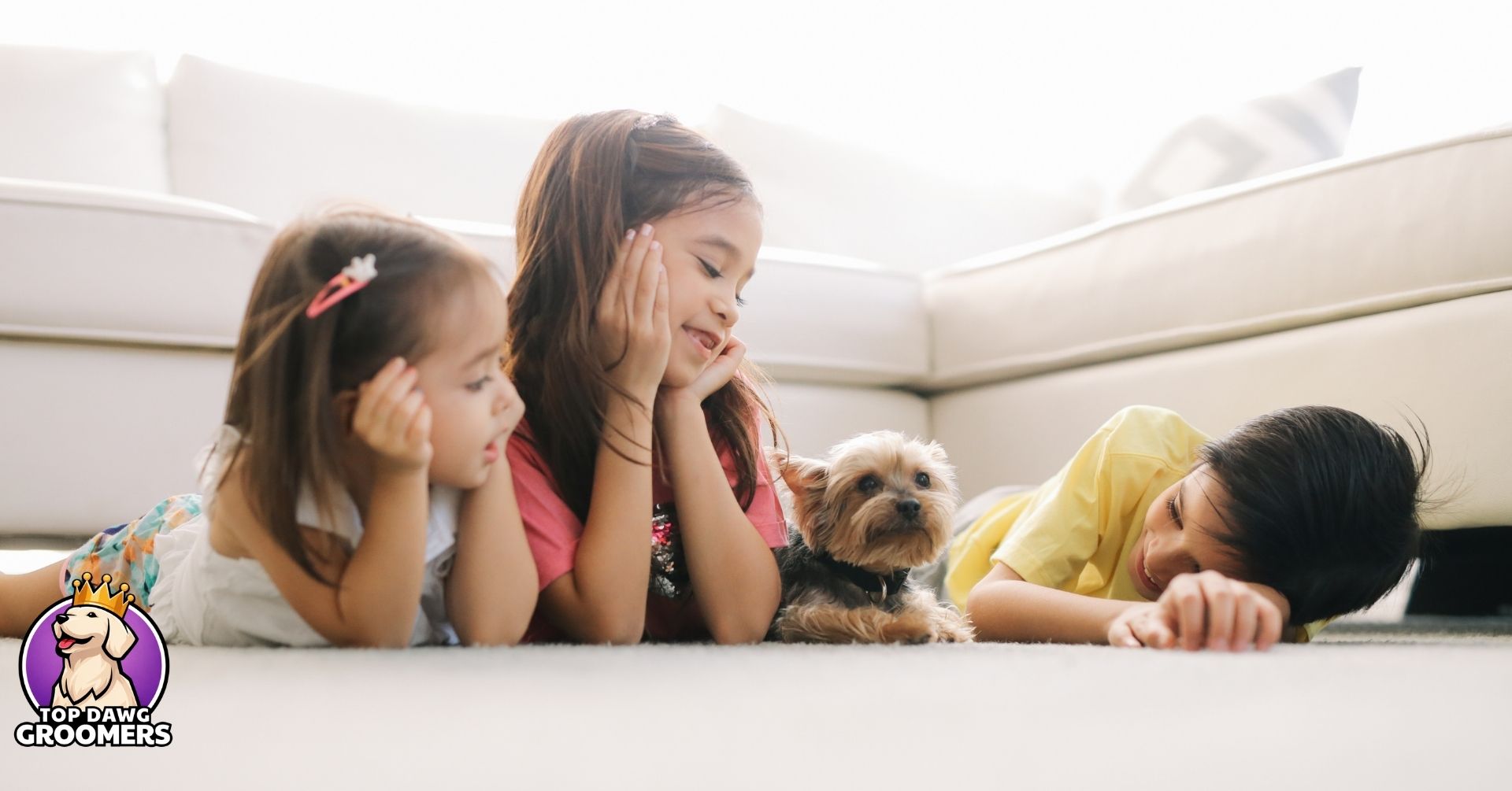
9. Teach Children How to Meet New Dogs
Not every dog wants to be patted.
Teach children to:
- Ask the owner’s permission first.
- Let the dog sniff them.
- Avoid running towards unfamiliar dogs.
- Stay calm and quiet.
Dogs Australia also provides helpful advice about responsible dog ownership:
https://dogsaustralia.org.au
10. Make Safety a Daily Habit
The best kids and dogs safety tips become part of everyday life.
Create simple household rules such as:
- No disturbing dogs while eating.
- Always ask before patting.
- Be gentle with pets.
- Let sleeping dogs lie.
- Respect your dog’s personal space.
The more consistent everyone is, the safer and happier your home will be.
Why Dog Safety Education Matters
Children and dogs can develop incredible friendships when both are given the opportunity to interact safely and respectfully.
Teaching children about dog body language, gentle handling, and respecting boundaries doesn’t just reduce the risk of accidents—it also helps build empathy, confidence, and lifelong positive relationships with animals.
Likewise, dogs who are treated with patience and kindness are more likely to feel relaxed and secure around children.
Following these kids and dogs safety tips helps create a home where both children and dogs can thrive together.
Remember:
- Supervise interactions.
- Teach gentle behaviour.
- Respect your dog’s boundaries.
- Watch for signs of stress.
- Keep grooming and healthcare part of your dog’s regular routine.
At Top Dawg Grooming, we know that a calm, comfortable dog is often a happier dog. Regular grooming, positive handling, and gentle care all contribute to building confidence and making interactions with the whole family more enjoyable.
With a little education and consistency, your children and your dog can build a friendship that lasts a lifetime.