



Helping a nervous dog can be one of the most rewarding experiences for any pet owner. While some dogs are naturally confident, others may become anxious due to a lack of socialisation, past experiences, changes in their environment, or simply their personality. The good news is that with patience, consistency, and positive reinforcement, you can help your dog feel safer and more secure.
Whether your dog is nervous around strangers, other dogs, loud noises, or even everyday situations like grooming or car rides, understanding their behaviour is the first step toward building confidence.
Here are ten practical ways to help your nervous dog feel calmer and happier.
1. Learn to Recognise the Signs of Anxiety
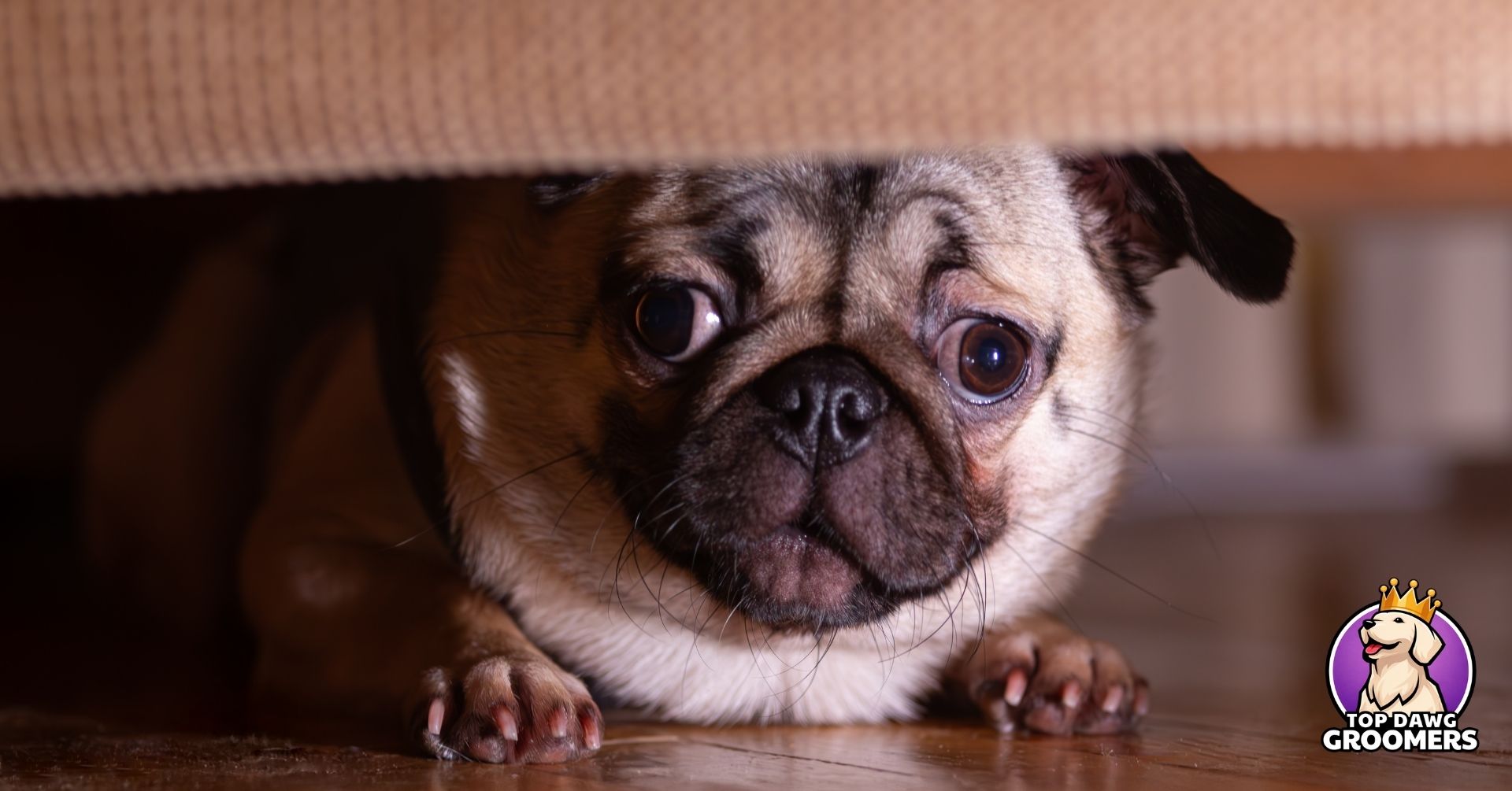
Before helping a nervous dog, it’s important to recognise when they’re feeling uncomfortable.
Common signs include:
- Tail tucked between the legs
- Trembling or shaking
- Lip licking or yawning when not tired
- Hiding or avoiding people
- Pacing
- Excessive panting
- Refusing treats
The earlier you recognise these signs, the sooner you can remove your dog from a stressful situation before their anxiety escalates.
2. Stay Calm Yourself
Dogs are incredibly perceptive and often mirror our emotions.
If you become frustrated or anxious, your dog is likely to pick up on those feelings. Speak in a calm voice, move slowly, and avoid sudden movements.
Your calm behaviour helps reassure your dog that they are safe.
3. Never Force Your Dog Into Scary Situations
It can be tempting to encourage your dog to “face their fears,” but forcing interactions usually has the opposite effect.
Instead:
- Let them approach new people in their own time.
- Allow them to observe from a safe distance.
- Reward curiosity rather than pushing them beyond their comfort zone.
Helping a nervous dog is about building confidence gradually, not rushing the process.
4. Use Positive Reinforcement
Reward the behaviours you’d like to see more of.
Whenever your dog remains calm during a situation that would normally make them nervous, reward them with:
- Treats
- Praise
- Toys
- Gentle affection
Positive experiences help your dog form new, happier associations.
The RSPCA Australia offers excellent guidance on reward-based training and dog behaviour:
https://www.rspca.org.au
5. Create a Safe Space
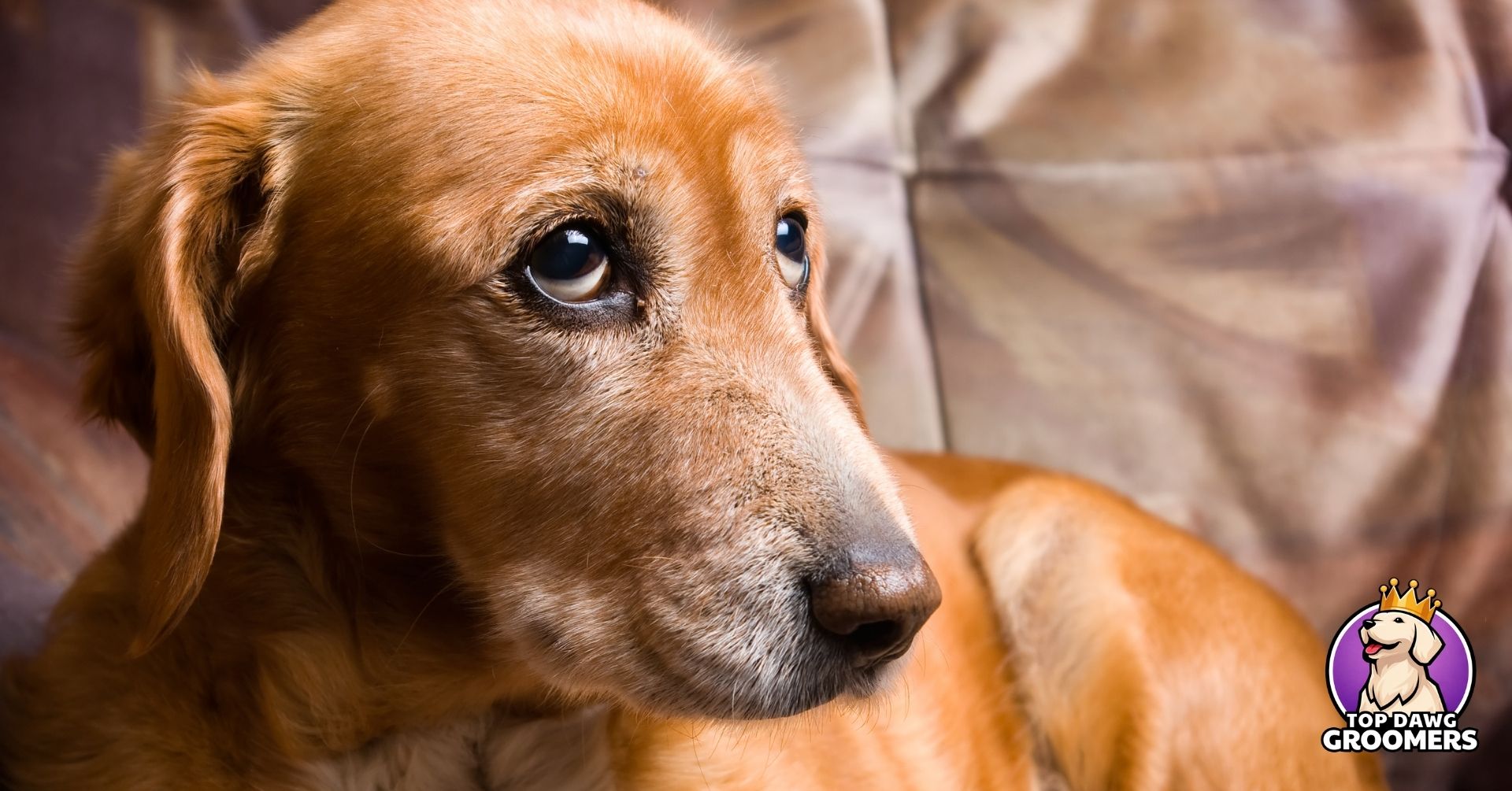
Every dog should have a quiet place where they can retreat when they need to relax.
This might be:
- A crate (if crate trained)
- Their favourite bed
- A quiet room
- A cosy corner away from household activity
Respect their space and allow them to rest without interruption.
6. Keep a Consistent Routine
Dogs thrive on predictability.
Regular meal times, walks, play sessions, and bedtime routines help reduce uncertainty and make your dog feel more secure.
Consistency is especially valuable when helping a nervous dog, as it creates a sense of stability.
7. Build Confidence Through Training
Training isn’t just about obedience—it also boosts confidence.
Simple commands such as:
- Sit
- Stay
- Come
- Touch
- Leave it
give your dog opportunities to succeed.
Keep sessions short, fun, and reward-based.
Dogs Australia also provides useful information on responsible dog ownership and training:
https://dogsaustralia.org.au
8. Don’t Forget Mental Stimulation
Mental enrichment can reduce anxiety by giving your dog something positive to focus on.
Try:
- Puzzle toys
- Snuffle mats
- Treat-dispensing toys
- Scent games
- Short training sessions
A mentally stimulated dog is often a more relaxed dog.
9. Introduce Grooming Slowly
For many nervous dogs, grooming can feel overwhelming if they haven’t had positive experiences.
Take your time introducing:
- Brushing
- Nail handling
- Ear checks
- Bathing
Pair each step with treats and praise.
At Top Dawg Grooming, we understand that every dog is different. Our calm, patient approach helps nervous dogs build trust while making grooming as positive and stress-free as possible.
For more pet care resources, visit KompleteCare:
https://kompletecare.com.au
Regular, gentle grooming can become another opportunity to strengthen your bond and build your dog’s confidence.
10. Know When to Seek Professional Help
Some dogs require additional support.
If your dog’s anxiety is severe or affecting their quality of life, consult your veterinarian or a qualified behaviour professional.
They can identify underlying medical issues or develop a personalised behaviour plan.
Seeking help early often leads to better long-term outcomes.
Building Confidence Takes Time
Helping a nervous dog isn’t about fixing anxiety overnight—it’s about celebrating small wins and building trust one step at a time.
Every positive experience, calm interaction, and successful training session helps your dog become more confident in the world around them.
Remember:
- Be patient.
- Stay consistent.
- Reward progress.
- Respect your dog’s comfort zone.
With love, understanding, and the right support, even the most anxious dog can learn to feel safe and confident.
If your dog becomes nervous during grooming, choosing a patient groomer can make all the difference. At Top Dawg Grooming, we pride ourselves on creating a calm, gentle environment where dogs are treated with kindness and respect. By working at your dog’s pace, we aim to make every grooming session a positive experience that builds trust for future visits.
Helping your dog feel secure today lays the foundation for a happier, healthier life together.