





Choosing the best dog breed for your lifestyle is one of the most important decisions you’ll make as a pet owner. While every dog has its own unique personality, different breeds have varying exercise needs, grooming requirements, temperaments, and energy levels that can significantly impact your day-to-day life.
Many people choose a dog based on appearance alone, only to discover later that the breed isn’t suited to their living situation or routine. Taking the time to find the best dog breed for your lifestyle can help ensure a happy relationship for both you and your future furry companion.
Before bringing home a new dog, consider these ten key factors.
1. Consider Your Activity Level
One of the first questions to ask yourself is how active you are.
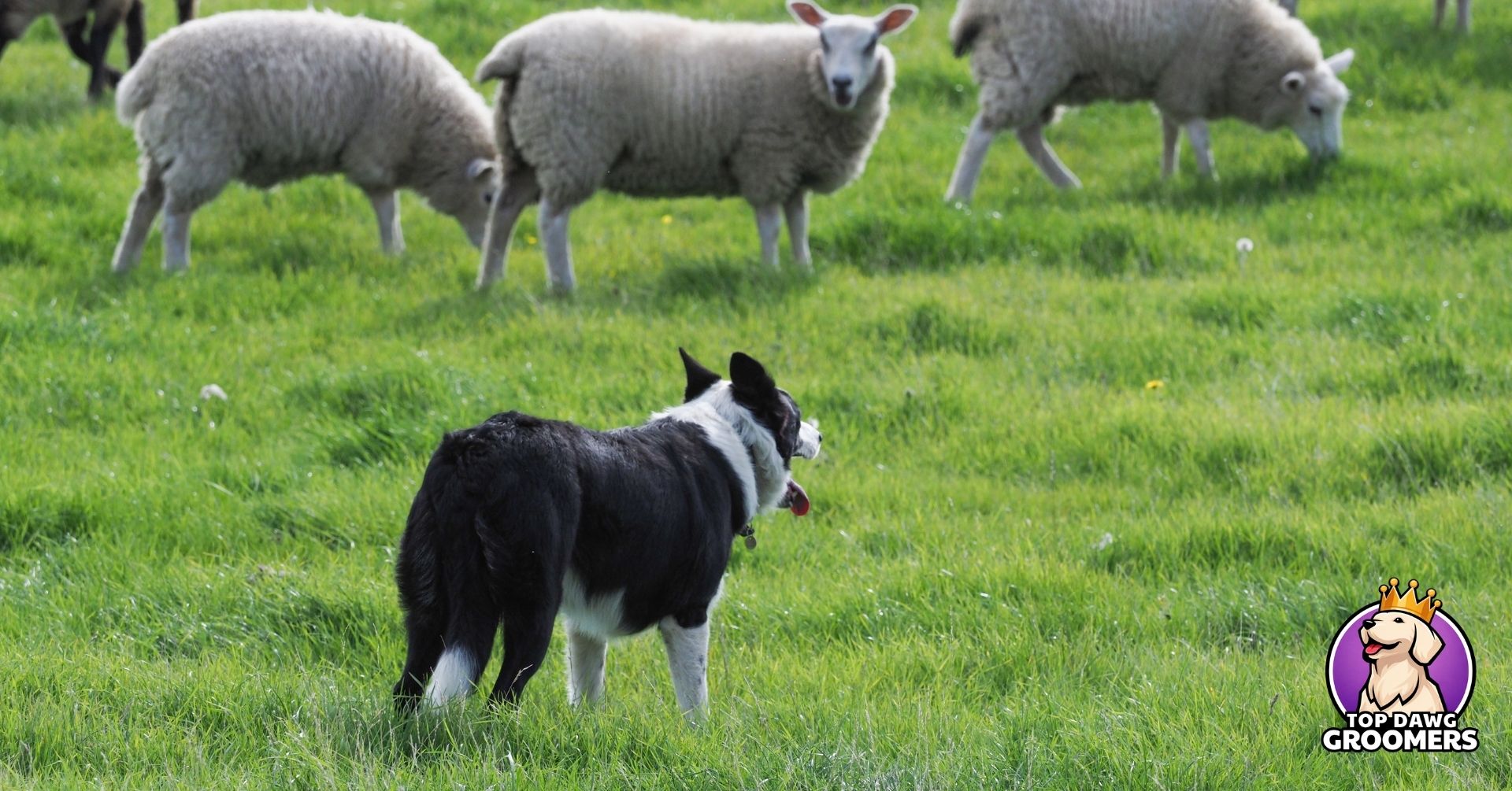
If you enjoy running, hiking, and spending time outdoors, high-energy breeds such as Border Collies, Australian Shepherds, or Kelpies may be a great fit.
However, if your ideal weekend involves relaxing on the couch, a lower-energy breed like a Cavalier King Charles Spaniel or Greyhound may be more suitable.
Matching a dog’s energy level to your own is essential when selecting the best dog breed for your lifestyle.
2. Think About Your Living Space
Your home environment plays a major role in determining which breed will thrive.
While some large breeds can adapt well to apartment living, many active dogs require space to move and play.
Consider:
- House vs apartment
- Access to a backyard
- Nearby parks and walking trails
- Local pet-friendly areas
A breed’s size isn’t always the most important factor; exercise needs often matter more.
3. Understand Grooming Requirements
Different breeds have vastly different grooming needs.
Some dogs require only occasional brushing, while others need regular professional grooming to maintain a healthy coat.
Breeds such as:
- Poodles
- Cavoodles
- Maltese
- Shih Tzus
typically require more frequent grooming appointments.
If you’re considering a breed with a high-maintenance coat, factor grooming costs and time commitments into your decision.
You can learn more about pet care and wellbeing through the resources available at KompleteCare:
https://kompletecare.com.au

4. Evaluate Your Work Schedule
Dogs thrive on companionship and routine.
If you’re away from home for long periods each day, consider breeds that are more independent and comfortable spending time alone.
Puppies and highly social breeds often require additional attention and interaction.
Choosing the best dog breed for your lifestyle means being realistic about how much time you can dedicate to your pet.
5. Consider Children and Family Members
If you have young children, selecting a family-friendly breed is important.
Popular family dogs often include:
- Labrador Retrievers
- Golden Retrievers
- Cavaliers
- Beagles
These breeds are generally known for their friendly and patient nature.
The RSPCA Australia provides excellent advice on selecting pets for families:
https://www.rspca.org.au
6. Think About Future Costs
Owning a dog is a long-term financial commitment.
Costs may include:
- Food
- Vet visits
- Grooming
- Training
- Pet insurance
- Toys and accessories
Larger dogs often cost more to feed and may incur higher medical expenses over time.
When choosing the best dog breed for your lifestyle, make sure your budget aligns with the breed’s typical care requirements.

7. Research Breed Temperaments
Every breed was originally developed for a specific purpose.
Some breeds were bred for herding, others for guarding, hunting, or companionship.
Understanding a breed’s natural instincts can help you determine whether they’re a good fit for your household.
Dogs Australia offers detailed breed profiles that can help guide your research:
https://dogsaustralia.org.au
Remember that while breed traits can provide useful insights, individual personalities will always vary.
8. Consider Training Needs
Some breeds are highly intelligent and eager to learn, while others may be more independent.
Highly trainable breeds include:
- Border Collies
- Poodles
- German Shepherds
- Golden Retrievers
These dogs often excel in obedience training but may also require greater mental stimulation.
Finding the best dog breed for your lifestyle means balancing your willingness to train with the breed’s learning style and needs.
9. Be Honest About Experience Levels
First-time dog owners may benefit from breeds that are known for being adaptable and easy-going.
Breeds often recommended for beginners include:
- Cavaliers
- Labradors
- Golden Retrievers
- Bichon Frises
More experienced owners may feel comfortable managing breeds with stronger instincts, higher exercise requirements, or specialised training needs.
Being honest about your experience can prevent future challenges.

10. Consider Long-Term Compatibility
Dogs are a long-term commitment that can last 10 to 15 years or more.
Think about:
- Future housing plans
- Family growth
- Work changes
- Travel commitments
The best dog breed for your lifestyle today should ideally fit your lifestyle in the years ahead as well.
Taking a long-term view helps ensure a successful match.
Finding the Perfect Match
Choosing the best dog breed for your lifestyle isn’t about finding the “perfect” breed; it’s about finding the right fit for your unique circumstances.
By considering factors such as activity levels, grooming requirements, family dynamics, living arrangements, and long-term commitments, you’ll be far more likely to find a dog that complements your lifestyle.
Remember that every dog deserves a home where their physical, emotional, and social needs can be met. Taking the time to research breeds and honestly assess your lifestyle will help create a rewarding relationship that lasts for years to come.
Whether you’re looking for an adventurous hiking buddy, a loyal family companion, or a relaxed couch partner, there’s a breed out there that’s perfect for you.