





How to understand your dog’s body language is one of the most important skills any pet owner can develop. Dogs communicate constantly through their posture, facial expressions, and behaviour; it’s up to us to read the signs correctly.
By learning how to interpret your dog’s signals, you can build a stronger bond, prevent unwanted behaviour, and ensure your pup feels safe and comfortable in every situation.
1. Tail Position & Movement
A wagging tail doesn’t always mean a happy dog.
- Loose, wagging tail: Happy and relaxed
- Stiff, high tail: Alert or possibly agitated
- Tucked tail: Fear or anxiety
Pay attention to the speed and stiffness of the wag; it tells a much deeper story than movement alone.
2. Eye Contact & Expression
Another way to understand your dog’s body language is that your dog’s eyes can reveal a lot about how they’re feeling.
- Soft eyes: Calm and content
- Hard stare: Warning or challenge
- Avoiding eye contact: Nervous or submissive
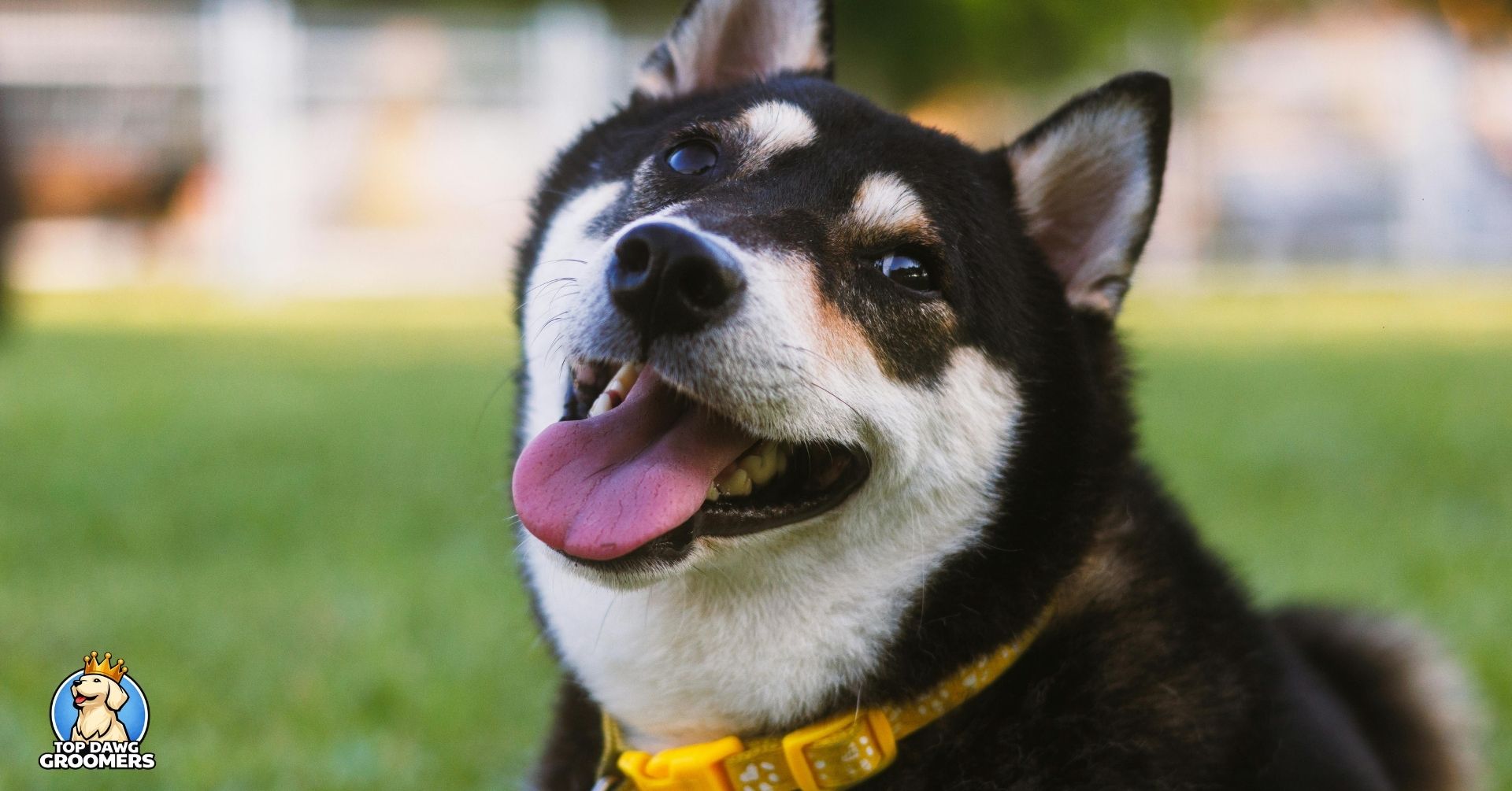
If you notice the “whale eye” (showing the whites of the eyes), it’s often a sign your dog is uncomfortable.
Learn more about canine communication from the Dog Training Toolshed
3. Ear Position
Ears are a quick indicator of mood.
- Relaxed ears: Comfortable
- Pinned back: Fear or stress
- Forward and alert: Interested or focused
Different breeds have different ear shapes, so learn what “normal” looks like for your dog.
4. Mouth & Facial Signals
A dog’s mouth can say more than you think.
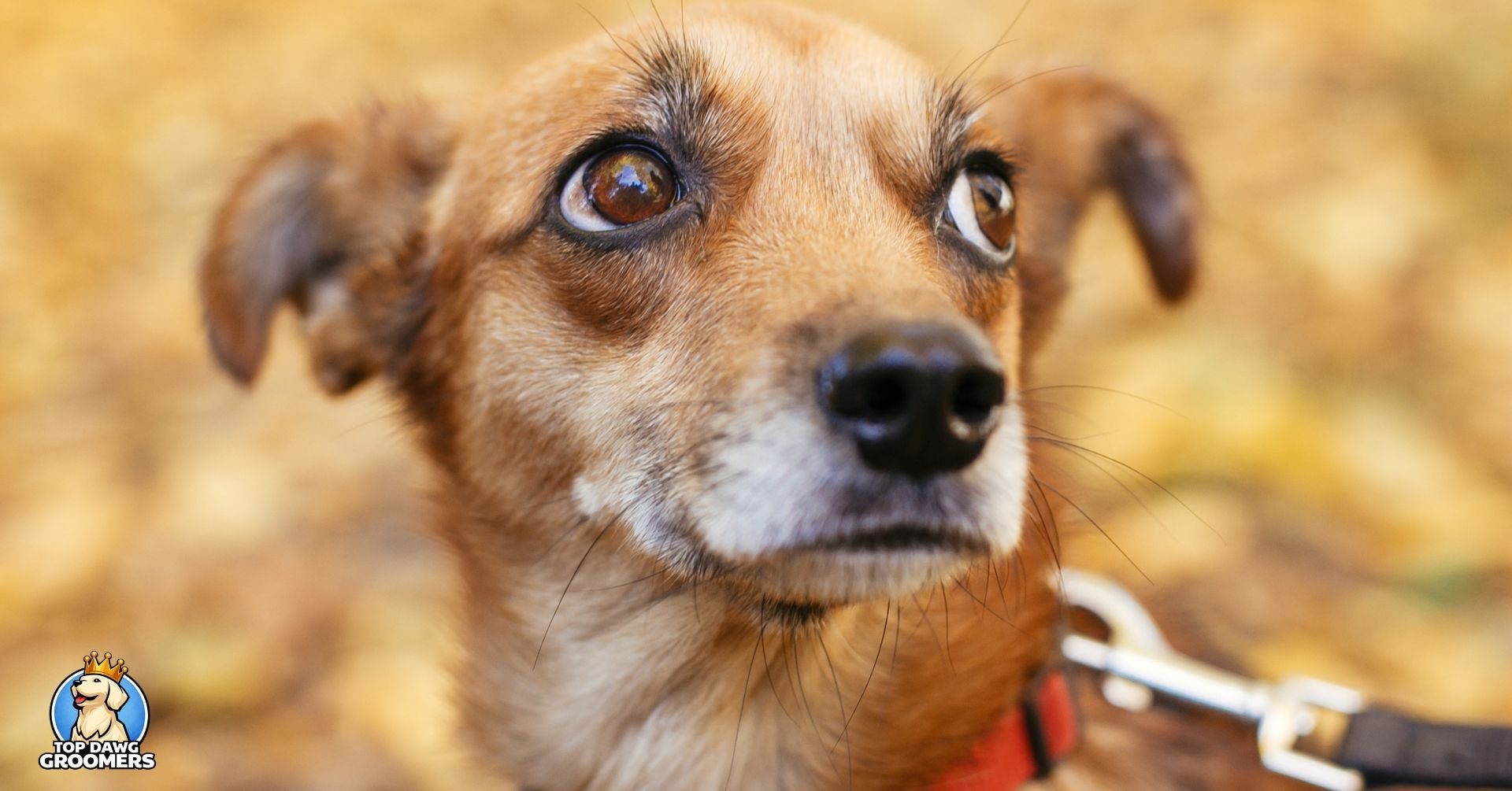
- Relaxed, slightly open mouth: Happy
- Lips pulled back: Fear or tension
- Yawning or lip licking: Stress signals (not always tired or hungry!)
These subtle cues are often early warning signs that your dog is overwhelmed.
5. Body Posture
Your dog’s overall stance is one of the clearest indicators of emotion.
- Loose, wiggly body: Friendly and relaxed
- Stiff posture: Alert or defensive
- Crouched or lowered body: Fearful
A confident dog carries themselves very differently from a nervous one.

6. Vocalisation
This is key to understand your dog’s body language-Barking isn’t one-size-fits-all.
- High-pitched bark: Excitement
- Low growl: Warning
- Whining: Anxiety, attention-seeking, or discomfort
Always look at vocalisation alongside body language for the full picture.
7. Behaviour Changes
Sometimes the biggest clue to understand your dog’s body language is a shift in behaviour.
- Sudden withdrawal
- Increased clinginess
- Destructive behaviour
These can all indicate stress, boredom, or discomfort.
For more insights, check out this helpful resource from the RSPCA
How Grooming Helps You Read Your Dog Better
Regular grooming isn’t just about keeping your dog looking great; it’s also an opportunity to better understand their body language.
At Top Dawg Grooming, we work closely with dogs every day and recognise subtle signs of stress, discomfort, or relaxation. Grooming sessions allow us to:
- Spot changes in behaviour early
- Keep your dog comfortable and stress-free
- Build trust and familiarity
A well-groomed dog is often a more relaxed dog, making their body language easier to read and respond to.

Build a Stronger Bond With Your Dog
If you understand your dog’s body language, you can respond appropriately to their needs, prevent issues from escalating, and create a safer, happier environment.
The more you observe your dog, the better you’ll become at reading their unique signals.
📞 Want a calm, comfortable grooming experience for your pup? Call Top Dawg Grooming on 0466 082 492