





As Australia transitions to the new Support at Home program, one of the most important steps for accessing in-home aged care services is the Support Needs Assessment.
This assessment determines what level of support an older person requires to remain safe, independent, and well in their own home.
For families navigating the aged care system, understanding how the Support Needs Assessment works can make the process much easier. Working with experienced aged care providers, such as KompleteCare, can also ensure clients receive the right services once their assessment is complete.
What Is a Support Needs Assessment?
A Support Needs Assessment is an official evaluation used by the Australian aged care system to determine the type and level of support an older person requires.
The assessment helps identify:
- Personal care needs
- Mobility and safety risks
- Health and medical requirements
- Social support needs
- Assistance required for daily living tasks
The results of the assessment determine eligibility for government-funded in-home aged care services under programs such as Support at Home.
Assessments are coordinated through the My Aged Care system, which is the central gateway to government-funded aged care services in Australia.
You can learn more about the process here:
Why the Support Needs Assessment Is Important
The Support Needs Assessment is essential because it ensures older Australians receive the right level of care and support.
Without this process, it would be difficult to determine which services are appropriate and how government funding should be allocated.
The assessment helps ensure that:
- Care services are tailored to individual needs
- Government funding is allocated fairly and transparently
- Clients receive the appropriate level of support
- Safety and well-being risks are identified early
For many people, the assessment is the first step toward accessing professional in-home aged care services.

How the Assessment Process Works
The Support Needs Assessment process typically involves several steps.
1. Contacting My Aged Care
Older Australians or their families can begin the process by contacting My Aged Care, either online or by phone.
This initial step gathers basic information about the person’s situation and determines whether an assessment is required.
2. Assessment by a Qualified Professional
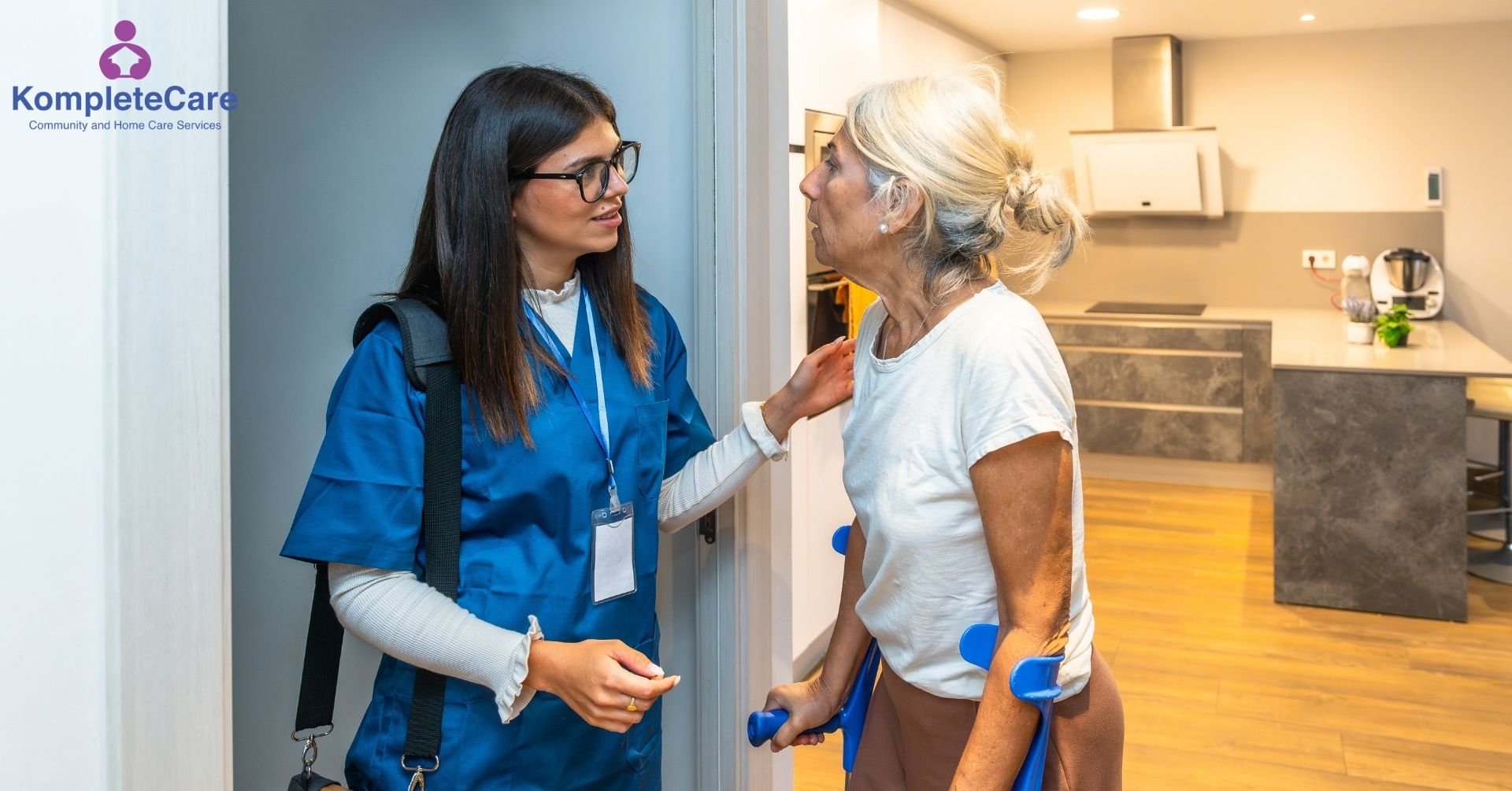
A trained assessor will arrange a meeting with the individual, usually in their home.
During this visit, the assessor will discuss:
- Daily living activities
- Health conditions
- Home environment and safety
- Support currently provided by family or carers
- Goals for maintaining independence
The assessor may also speak with family members or carers to better understand the individual’s needs.
3. Determining Eligibility for Services
After the assessment, the assessor will recommend suitable support services.
These may include:
- Personal care assistance
- Domestic support
- Allied health services
- Nursing care
- Social support
- Home modifications
The assessment results will determine the individual’s eligibility for government-funded in-home aged care services.
The Role of Aged Care Providers After Assessment
Once a person receives their assessment outcome, they can choose an approved aged care provider to deliver their services.
This is where organisations such as KompleteCare play a crucial role.
As a trusted provider of in-home aged care and disability services, KompleteCare works closely with clients and families to translate assessment outcomes into practical, personalised support plans.
Learn more about KompleteCare’s services here:
- https://kompletecare.com.au/in-home-care/
- https://kompletecare.com.au/aged-care-and-disability-services/
How KompleteCare Supports Clients After Their Assessment
After a Support Needs Assessment, many people feel unsure about what to do next.
KompleteCare’s experienced Client Services Management team helps guide clients through the next steps.
Their team assists with:
- Understanding the assessment outcome
- Developing personalised care plans
- Coordinating support workers and services
- Managing government funding and budgets
- Adjusting services as needs change
This hands-on approach ensures clients receive consistent, high-quality in-home aged care that aligns with their goals and preferences.
You can learn more about KompleteCare’s approach here:
Preparing for a Support Needs Assessment
Being prepared for the assessment can help ensure the assessor understands the individual’s needs.
Helpful preparation steps include:
- Making a list of daily challenges or support needs
- Preparing information about medical conditions or medications
- Thinking about goals for independence and wellbeing
- Having a family member or carer present during the assessment
Open communication during the assessment ensures the assessor can recommend the most appropriate aged care services.
Support Needs Assessments and the Support at Home Program
The Support Needs Assessment is a key part of accessing services under Australia’s Support at Home program.
This program aims to provide more flexible and personalised support to older Australians who wish to remain living at home.
You can learn more about the Support at Home program here:
Following the assessment, individuals can choose their preferred aged care provider and begin receiving services tailored to their needs.
The Support Needs Assessment is the starting point for many older Australians seeking in-home aged care services.
By identifying individual needs and recommending appropriate services, the assessment ensures people receive the right level of support to maintain their independence and quality of life.
Once the assessment is complete, partnering with experienced aged care providers such as KompleteCare can make the transition to receiving care smooth and supportive.
With dedicated Client Services Managers and personalised care planning, KompleteCare helps clients turn assessment outcomes into meaningful, everyday support that enables them to continue living safely and comfortably at home.